Careers at Epsilon ASI
Help build the platforms that the world's best teams rely on.
Our work starts with the real artifacts of engineering: architecture notes, pull requests, runbooks, dashboards, incidents, and the constraints teams face every day. We make that context visible, then help turn it into systems that are clearer, stronger, and easier to operate.
We work from artifacts
Architecture notes, pull requests, runbooks, dashboards, incidents, and the actual constraints your team works inside.
We make context visible
The block gives the page more texture without making it feel like a stock-photo agency site.

PRs, notes, and delivery context

Pressure map workshop
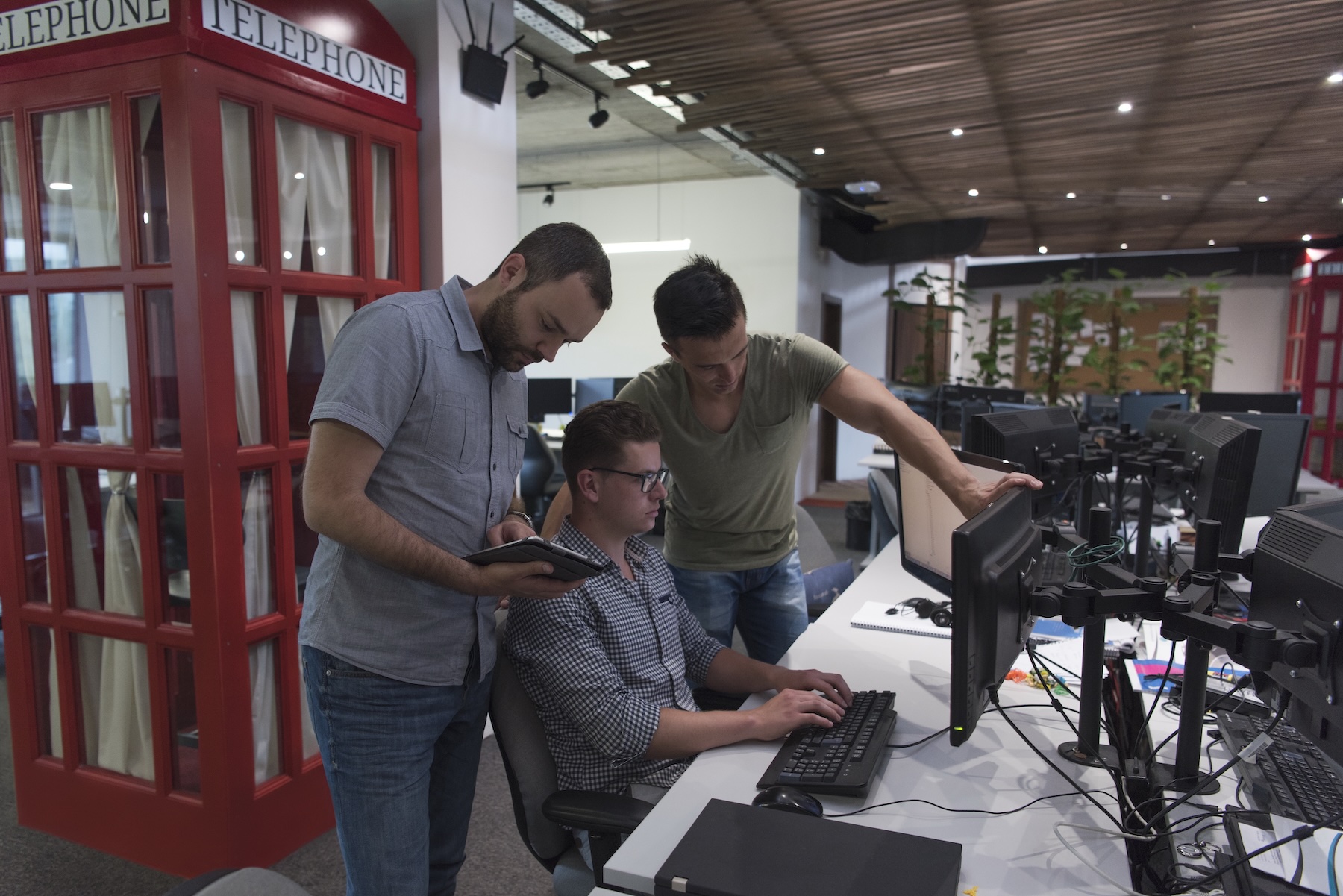
Artifacts your team keeps
Build your Future with ✦ Epsilon ASI
Embark on a rewarding journey with us. Find opportunities to grow, learn and make a lasting impact.
Culture of inovation
Join a team that embraces forward-thinking ideas, fosters innovation, and cultivates an environment where your creativity can flourish.
People-First Mindset:
We think deeply about the real-world impact of every solution on teams, customers, and stakeholders.
Technical Integrity
Our work is grounded in best practices, thoughtful design, and sustainable engineering.
Long-Term Perspective
We’re invested in outcomes that endure, not quick fixes that falter.
Hiring journey
A practical process for practical engineers.
The interview path should feel like the work: clear communication, systems thinking, technical judgment, and the ability to collaborate without ego.
01
Intro conversation
A lightweight conversation about your background, what you want next, and the kinds of platform problems you like solving.
02
Systems discussion
Walk through a real platform scenario and talk about tradeoffs, sequencing, observability, reliability, and team enablement.
03
Working session
Pair on a small practical exercise or artifact: architecture notes, implementation plan, review, or operational improvement.
04
Mutual fit
Discuss role shape, expectations, compensation, client work, team norms, and how you do your best engineering work.
What working here should feel like
The benefits are designed around focus, trust, craft, and the reality that deep engineering work needs room.
Deep work time
Room for architecture, implementation, writing, review, and careful technical judgment.
Senior peer group
A team that values context, humility, strong opinions, and better systems.
Client impact
Work directly on the platform constraints that are slowing real engineering teams down.
Craft and learning
Kubernetes, cloud, modernization, AI workflows, and delivery systems in production contexts.
Secure defaults
We care about secrets, access, change safety, auditability, and operational guardrails.
Modern tools
Use automation and AI carefully, with bounded context and human approval.
No mystery process, no puzzle interviews.